Occupational Accident vs. Workers' Comp: Why Owner-Operators Fall Through the Gap
By Josh Cotner
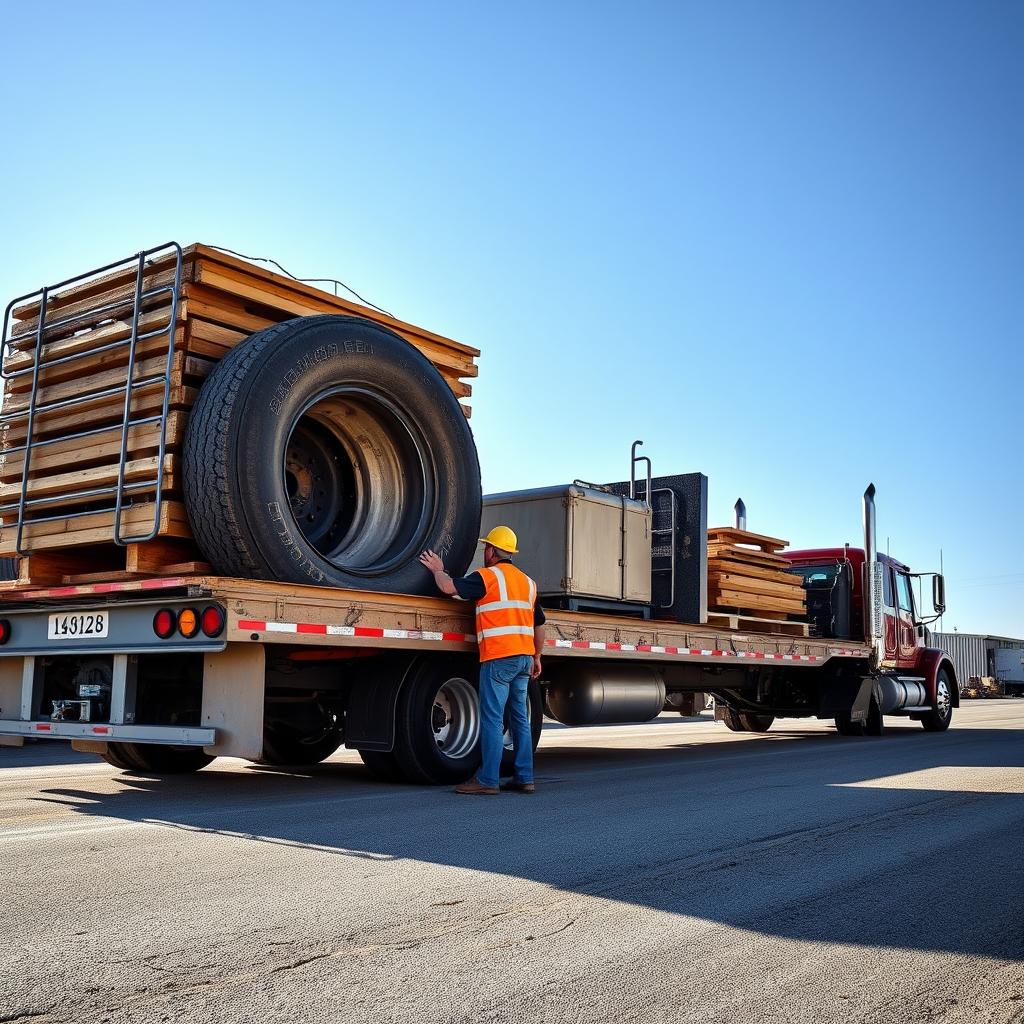
Occupational Accident vs. Workers' Comp: Why Owner-Operators Fall Through the Gap
Get hurt on the job as a W-2 employee and workers' compensation covers you — medical bills, a portion of lost wages, and it's mandated by state law. Get hurt on the job as an independent owner-operator, and there's a real chance nobody's workers' comp policy applies to you at all. This is one of the most misunderstood gaps in hot shot trucking, and it catches new operators by surprise.
Why Workers' Comp Usually Doesn't Cover You
Workers' compensation is built around an employer-employee relationship. If you're leased to a motor carrier as an independent contractor — which is how most hot shot operators are structured — you are not the carrier's employee. You're running your own business under their authority. That distinction matters enormously when you're hurt.
Most motor carriers' workers' comp policies explicitly exclude independent contractor owner-operators, because those operators were never classified as employees in the first place. If you assume "the company I haul for has workers' comp, so I'm covered," you may be assuming wrong — and the moment to find out is not after you're injured.
If you run under your own authority rather than leased to a carrier, the gap is even more obvious: you don't have an employer at all, so there's no employer-provided workers' comp to even question.
What Occupational Accident Insurance Actually Does
Occupational accident insurance (often shortened to "OA" or "occ/acc") is built specifically to fill this gap. It's not workers' compensation — it's a private insurance product designed to functionally replace what workers' comp would have paid, for people workers' comp structurally excludes.
A typical occupational accident policy includes:
- Medical expense benefits — coverage for treatment related to a covered on-the-job injury
- Disability income benefits — a portion of income replacement while you're unable to work due to a covered injury, both temporary and permanent
- Accidental death benefit — a payout to your beneficiaries if a covered accident results in death
- Survivor benefits — additional support for your family in the event of a fatal covered accident
How Occupational Accident Differs From True Workers' Comp
This distinction matters and it's worth understanding clearly, not just accepting on faith:
Workers' comp is a state-mandated, statutory benefit. Benefit levels, medical coverage requirements, and dispute processes are set by state law, and it applies automatically to a covered employee.
Occupational accident is a private insurance contract. Benefits are whatever the specific policy says they are — a scheduled benefit structure rather than open-ended statutory medical coverage. That means the details of the policy you buy actually matter. Two occupational accident policies can look similar on the surface and pay very differently depending on their benefit schedules, medical benefit caps, and disability income terms.
Read what you're actually buying. Ask specifically about medical benefit limits, how disability income is calculated and for how long it pays, and what qualifies as a covered accident.
Who Actually Needs This Coverage
- Independent owner-operators leased to a motor carrier — almost always excluded from that carrier's workers' comp
- Owner-operators running their own authority — no employer-provided coverage exists at all
- Operators in states where workers' comp opt-out or exemption rules apply to owner-operators — even if you technically could be covered, many operators are structured in a way that excludes them by default
- Anyone whose motor carrier lease agreement requires proof of occupational accident coverage — many carriers require it as a condition of leasing on, specifically because they know their own workers' comp doesn't reach you
The Real-World Consequence of Skipping It
If you're hurt on the job with no workers' comp coverage and no occupational accident policy, you're personally responsible for your own medical bills and you have no income replacement while you recover — during exactly the period your business has stopped generating revenue. For an owner-operator whose income depends entirely on being able to physically drive and work, that combination — medical bills plus zero income — is the scenario occupational accident insurance exists to prevent.
Frequently Asked Questions
If I'm leased to a carrier, doesn't their insurance cover me automatically? Usually not for injury. Their auto liability policy covers damage or injury you cause to third parties. Their workers' comp policy — if they have one — is typically written for actual employees, not independent contractor owner-operators. Ask your carrier directly and don't assume.
Is occupational accident insurance required by law? No — it's not a state-mandated coverage the way workers' comp is for employees. But many motor carriers require lease-on owner-operators to carry it as a condition of the lease agreement, precisely because the carrier's own coverage doesn't reach independent contractors.
Does occupational accident cover injuries that happen off the road — loading, unloading, or at a truck stop? A properly written policy covers on-the-job injuries broadly, not just collisions — loading and unloading accidents, slip-and-falls at a delivery site, and similar work-related injuries are typically included. Confirm the specific scope with your policy, since "on the job" definitions vary.
How is this different from the accident coverage that might come with my health insurance? Personal health insurance isn't designed around lost income replacement or the specific circumstances of commercial trucking work. Occupational accident insurance is purpose-built for the on-the-job injury and disability-income gap that independent owner-operators face.
Call 844-967-5247 or get a quote online — we'll walk through your specific lease arrangement or authority setup and confirm whether you actually have coverage today, not just whether you assume you do.
Need this coverage for your rig?
Get a real quote in about 15 minutes — we shop A-rated specialty trucking markets.