Physical Damage Coverage for Hot Shot Trucks and Trailers
By Josh Cotner
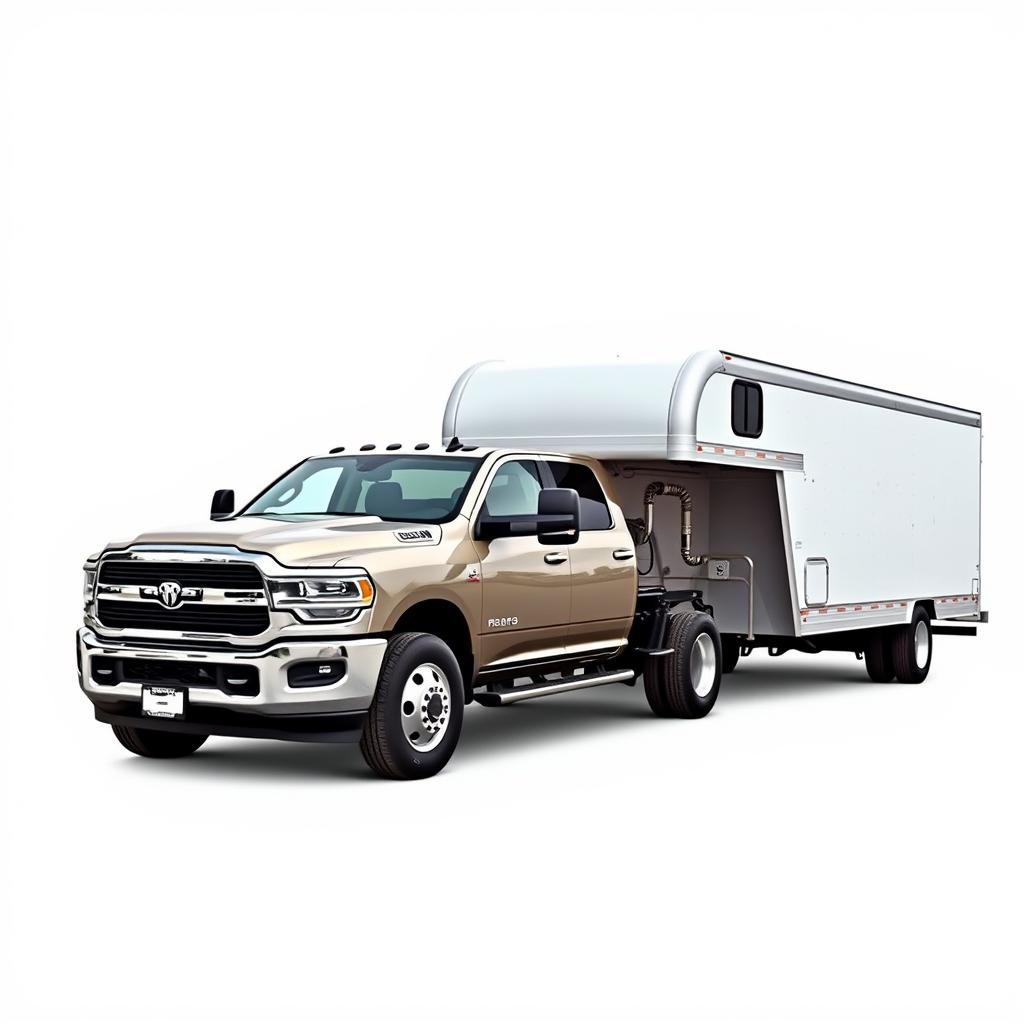
Physical Damage Coverage for Hot Shot Trucks and Trailers
Your truck and trailer are your business. A total loss without proper physical damage coverage could put you out of operation permanently. Here's everything hot shot operators need to know about insuring their equipment.
What Physical Damage Coverage Covers
Physical damage is split into two parts:
Collision: Damage from an accident — hitting another vehicle, rolling over, running off the road, or striking a fixed object. Applies regardless of fault.
Comprehensive: Everything else — theft, fire, hail, flood, vandalism, falling objects. The "other than collision" bucket.
Most hot shot operators need both. Running just liability and no physical damage is a gamble that only pays off if you never have an accident.
ACV vs. Stated Value: Choose Carefully
This is the most important decision you'll make on your physical damage coverage.
Actual Cash Value (ACV): Your insurer pays the depreciated fair market value of your truck at the time of loss. A 4-year-old truck that cost $75,000 new might have an ACV of $42,000 — even if you're still making payments on $55,000.
Stated Value: You and your insurer agree on a value upfront. You document the truck's condition and establish the insured amount. If it's a total loss, you get the stated amount (minus deductible) up to fair market value.
For most hot shot operators with working trucks and loan balances, stated value provides meaningfully better protection.
What About Your Trailer?
Your truck's physical damage policy does not automatically cover your trailer. Trailers must be specifically listed and valued on the policy.
Common trailer types and approximate replacement values:
- 20-foot bumper pull flatbed: $8,000–$15,000
- 30-40 foot gooseneck: $15,000–$30,000
- Heavy duty flatbed with hydraulic ramps: $25,000–$45,000
- Custom equipment trailer with upfits: $30,000–$60,000
Make sure your trailer limits reflect current replacement cost, not original purchase price.
Custom Equipment on Your Truck
If you've added toolboxes, fifth-wheel hitches, gooseneck balls, commercial-grade bumpers, or other equipment to your truck, those additions need to be noted when you get your policy. Stock policies may limit coverage on aftermarket equipment unless it's specifically listed.
Document your custom additions and their values when you apply for coverage.
Deductibles: Finding the Right Balance
Higher deductibles mean lower premiums but more out-of-pocket on claims. For a working hot shot truck:
- $1,000 deductible: Common for newer trucks, higher premiums
- $2,500 deductible: Good balance for established operators
- $5,000+ deductible: Works for high-value rigs where the premium savings are significant
Choose a deductible you can actually pay without disrupting operations. A claim you can't cover your deductible on is a problem you don't need.
What Actually Happens When You File a Claim
Report the loss to your insurer as soon as it's safe to do so — most carriers want notice quickly, not after you've already arranged your own repairs. Document the scene with photos, get a police report if the incident involves a collision, theft, or major damage, and hold onto any repair estimates. Your insurer will typically either send an adjuster to inspect the vehicle or direct you to an approved repair shop, and payment is issued based on your stated value or ACV terms — minus your deductible. Being upfront about pre-existing damage or condition issues at the time you bought the policy avoids disputes when a claim actually happens; misrepresenting your truck's condition upfront is one of the fastest ways to get a claim contested.
Frequently Asked Questions
Do I need physical damage coverage if my truck is paid off? It's your call once there's no lender requiring it, but weigh that against what it would cost to replace your rig out of pocket. For most working owner-operators, the truck is the business — a total loss with no coverage means no income while you rebuild.
Does physical damage coverage include the cost of a rental or replacement truck while mine is repaired? Not automatically — that's typically a separate coverage (sometimes called downtime or loss-of-use coverage) that has to be added specifically. Ask your agent if that gap matters for your operation.
What's the difference between "replacement cost" and "stated value" for a trailer? Stated value means you and the insurer agree on a specific dollar figure upfront, generally capped at the trailer's actual fair market value at time of loss. Make sure the figure you state reflects current replacement cost for a comparable trailer, not what you originally paid.
Will my policy cover damage that happened before I bought it? No — physical damage coverage responds to covered losses that occur during the policy period. Pre-existing damage should be disclosed upfront rather than discovered during a claim, which can create real disputes.
Getting the Right Coverage
Tell your agent:
- Year, make, model, and mileage of your truck
- GVWR and upfit details
- Current loan balance (if financed)
- Trailer year, make, type, and replacement value
- Any custom equipment or modifications
With that information, we'll build a physical damage program that actually protects your operation.
Call 844-967-5247 or get a quote online — we respond within 15 minutes.
Need this coverage for your rig?
Get a real quote in about 15 minutes — we shop A-rated specialty trucking markets.