What Cargo Insurance Actually Covers for Hot Shot Loads
By Josh Cotner
What Cargo Insurance Actually Covers for Hot Shot Loads
Ask ten hot shot operators what cargo insurance covers and you'll get ten different answers. Some assume it's automatically bundled with their motor carrier liability policy. Others don't think about it until a broker asks for a certificate before they'll tender a load. Here's what the coverage actually does — and doesn't do.
Cargo Insurance Is Not the Same as Auto Liability
Your motor carrier auto liability policy responds when you cause bodily injury or property damage to someone else — another driver, a pedestrian, another vehicle. It has nothing to do with the freight sitting on your trailer.
Cargo insurance is a separate coverage that protects the freight itself — the load you're being paid to haul, from the moment you pick it up to the moment it's delivered and signed for. If that load is stolen, damaged in a collision, dropped during loading or unloading, or lost to a covered peril in transit, cargo insurance is what pays for it — not your liability policy.
Why FMCSA Doesn't Require It (But Every Broker Does)
Federal law requires cargo insurance for household goods movers, but general freight carriers — which covers most hot shot operations — aren't federally required to carry it. That surprises a lot of new operators.
In practice, it doesn't matter. Freight brokers and shippers won't tender a load to a carrier without proof of cargo coverage, full stop. A certificate of insurance showing active cargo coverage is standard paperwork before you ever get dispatched. Treat it as mandatory even though FMCSA technically doesn't.
What a Broad Form Cargo Policy Covers
A properly written cargo policy for hot shot freight typically responds to:
- Theft of the load, in whole or in part
- Collision damage to the cargo from an accident involving your truck
- Loading and unloading accidents — dropped freight, forklift damage, strap failures
- Fire while the load is in your care, custody, and control
- Overturn of the trailer
The key phrase is "care, custody, and control." Cargo coverage follows the freight for as long as you're legally responsible for it — from pickup, through transit, to delivery and acceptance by the receiver.
What Cargo Insurance Typically Excludes
This is where operators get burned. Standard cargo forms commonly exclude or sharply limit:
- Mechanical or electrical breakdown of refrigeration units (reefer breakdown usually needs its own endorsement)
- Employee dishonesty or theft by the driver
- Inherent vice — spoilage or deterioration that would have happened regardless of how the freight was handled
- Certain high-value or restricted commodities — precious metals, currency, jewelry, and livestock are commonly excluded or require a specific endorsement and higher premium
- Improper loading by the shipper, in some cases, depending on who's legally responsible for securing the load
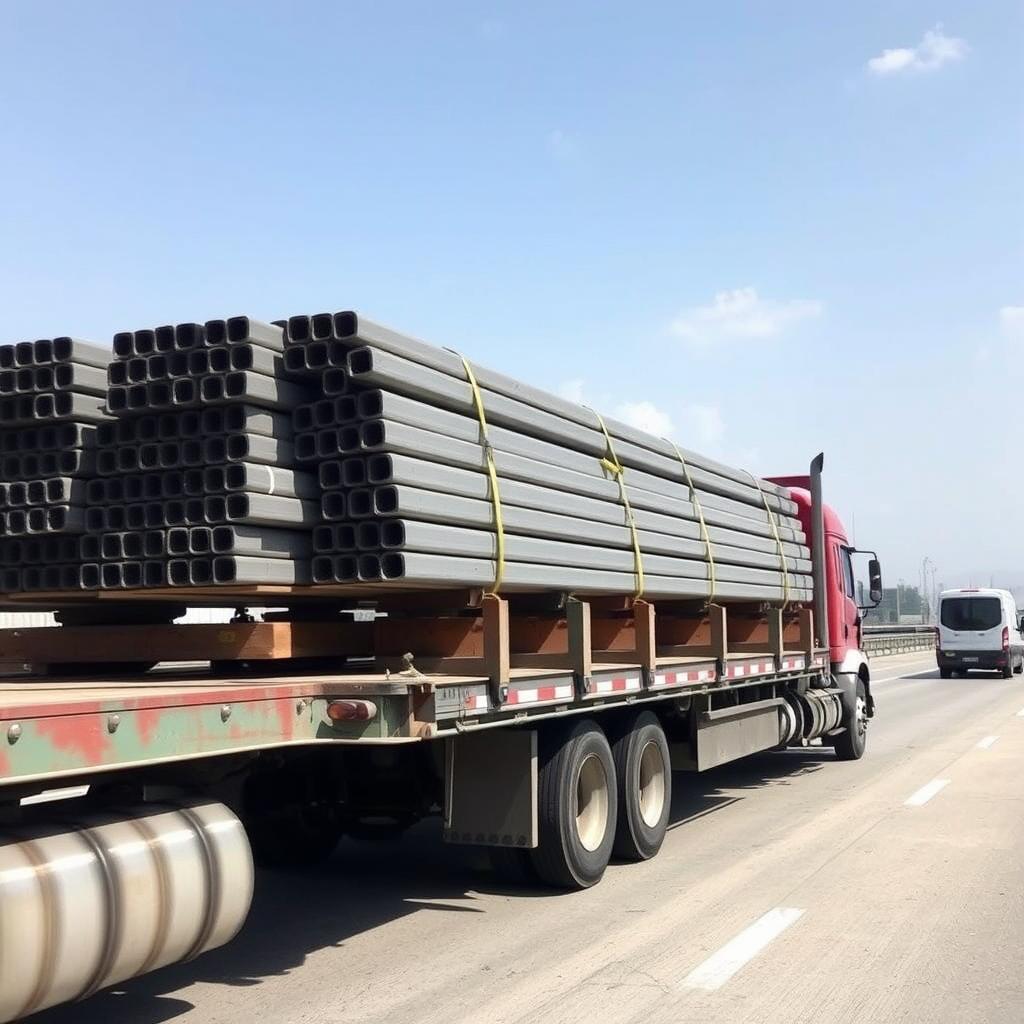
If you regularly haul something outside standard general freight — temperature-sensitive product, oversized equipment, high-value machinery — tell your agent specifically. A generic cargo form written for pipe and steel isn't automatically built for a specialized load.
How Limits Actually Work
Cargo coverage isn't one flat number that applies to everything you haul. Most policies are written with a per-occurrence limit, and it needs to be sized to the highest-value single load you realistically expect to haul — not your average load. If your typical freight runs modest in value but you occasionally haul something worth significantly more, either raise your standing limit or arrange a one-time increase before that specific load. Getting caught with a policy limit lower than the freight you're hauling means you're personally exposed for the difference.
Deductibles and Claims
Cargo policies carry a deductible per occurrence, same as physical damage coverage. When a claim happens, document everything at the scene — photos of the damage, the bill of lading, any police report if theft is involved, and immediate notice to your insurer and the broker. Cargo claims move faster when the paperwork trail is clean from the first phone call.
Coordinating Cargo With Your Motor Carrier Authority
Cargo insurance sits alongside — not instead of — the coverage required to activate your FMCSA authority (auto liability with the MCS-90 endorsement and BMC-91/91X filing). Brokers will typically ask for both a certificate of your auto liability and a separate certificate showing your cargo limits before they'll work with you. Building both into your program from day one, rather than adding cargo coverage after your first broker rejection, keeps you loadable from the start.
Frequently Asked Questions
Does cargo insurance cover freight I'm hauling for a friend or family member, not a paying customer? Cargo insurance is written for commercial hauling under your motor carrier operation. Non-commercial hauling for no compensation generally falls outside a commercial cargo policy — talk to your agent about the specific situation before you assume you're covered.
What happens if my cargo limit is lower than the load I'm hauling? You're personally responsible for the difference between your policy limit and the actual value of the loss. This is the single most common and most expensive mistake hot shot operators make — check your limit against your actual freight values, not just what you paid for the policy.
Do I need a separate policy for reefer freight? Standard cargo forms typically limit or exclude loss from mechanical breakdown of a refrigeration unit. If you haul temperature-sensitive freight, ask specifically about a reefer breakdown endorsement.
Is cargo insurance required to get my MC number activated? No — FMCSA requires auto liability with the MCS-90 endorsement and a BMC-91/91X filing, not cargo insurance, for general freight authority. But no broker will load you without it, so build it in from the start.
Call 844-967-5247 or get a quote online — we'll size your cargo limits to the freight you actually haul, not a generic default.
Need this coverage for your rig?
Get a real quote in about 15 minutes — we shop A-rated specialty trucking markets.